Home Appliance Automation
Best Smart Home Gadgets for 2026: Smarter Living Made Easy

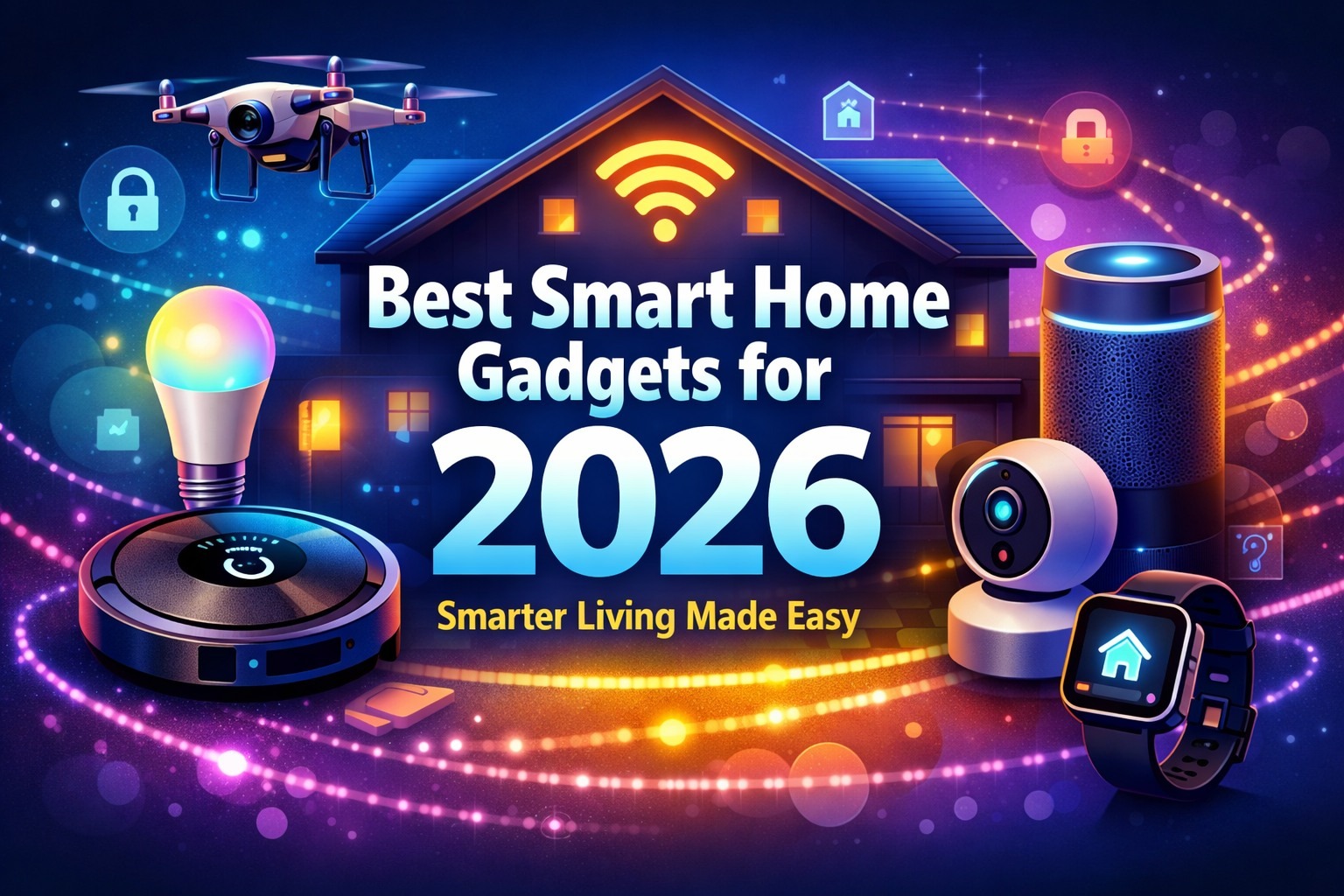
Smart home gadgets have rapidly evolved from a futuristic concept into a practical part of everyday living. In 2026, smart home gadgets are no longer just about conveniencethey are about creating a connected, efficient, and secure lifestyle.
From voice-controlled speakers and intelligent lighting to smart thermostats, security cameras, and automated plugs, these devices work together to simplify daily routines and enhance comfort throughout the home.
Today’s smart home gadgets are designed to save time and effort by automating common tasks such as controlling lighting, managing temperature, monitoring security, and even cleaning floors.
With mobile apps and voice assistants, users can control their homes remotely, personalize settings to match their habits, and enjoy seamless entertainment and smart automation. What once felt futuristic is now accessible, affordable, and easy to integrate into both new and existing homes.
What are Smart Home Gadgets?
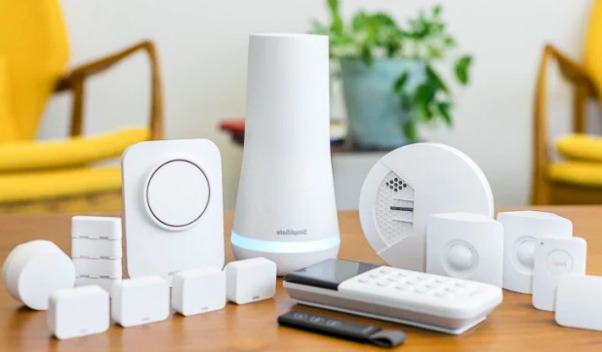
It’s easier than ever to make your home a smart home with smart devices. These days, devices can accomplish anything from warming the house before you open your eyes in the morning to securing it after everyone else has gone to bed.
A voice assistant can dim the lights, remind you of an appointment, or play music while a robot vacuum cleans floors. As more smart home gadgets integrate across platforms, it’s never been easier to make your everyday life feel more connected.
The top smart home gadgets save time and effort by automating the little things. You can manage lighting, climate, and security from your phone or with a simple voice command. Smart displays serve as control hubs, video doorbells reveal who is outside the house, and sensors activate routines when you walk through the door.
What was once futuristic is now simply useful. Whether starting from scratch or updating an existing configuration, here are the latest smart home devices you can easily integrate into your daily routine. With smart home gadgets and cleaning robots, they deliver convenience, comfort , and peace of mind to every room.
Top 10 Best Smart Home Gadgets:
There is a smart home gadgets that can make your life easier, regardless of the type of home you own. As long as you choose the appropriate gadget, smart technology with sensors, tracking, scheduling, remote control, and app administration offers creative benefits.
Amazon Echo Studio
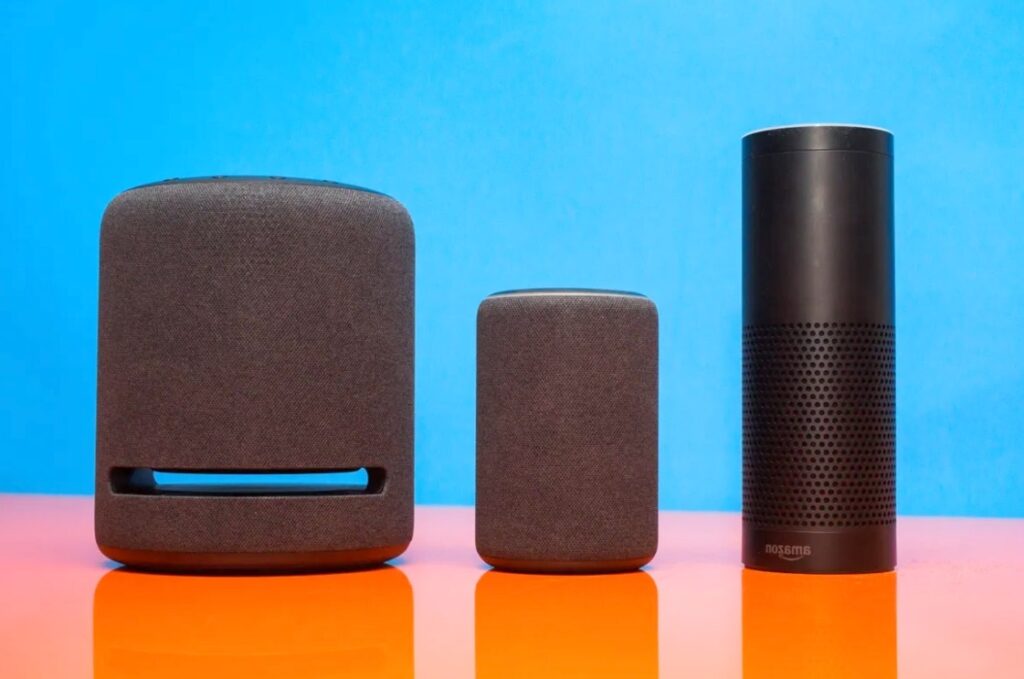
Amazon’s latest smart speakers pack spatial audio and other sound improvements, the effects of which are most pronounced in the bulky Echo Studio. With the Alexa app, this smart speaker can play music from dozens of services and connect to other smart home gadgets, including Uber and various food delivery apps.
Alexa can also be paired with numerous smart home devices, where it will respond to voice commands for play, pause, and other basic controls, even within their own apps, such as lights, locks, and smart plugs. You can even pair two Studios and sync them to a compatible TV for theater sound.
One of the new speaker’s key features is support for Alexa Plus, a feature-rich version of the voice assistant that Prime users can get for free, while everyone else must pay $20 per month for smart home gadgets.
Alexa Plus is a smart home device and a more capable voice assistant than previous versions of Alexa. Previous models were definitely the weaker siblings if you want to put them out around the house; now would be a great time, but otherwise tend to skew towards later versions, where their award categories are very competitive.
Pros
- Latest in room-filling sound from Amazon
- Alexa Plus capabilities
- Sensors to customize volume
Cons
- Alexa Plus costs $20 if you aren’t a Prime subscriber
- The Death Star-like design is a little weird
Google Nest Mini

Google’s Nest Mini smart speaker isn’t as powerful as the new Echo, but it is an excellent budget-friendly option for those already in Google’s ecosystem. The Nest Mini’s sound quality is good for its price and size.
It even has a wall-mounting notch on its bottom, if you’re into that. A neat presence-detection technique that uses a loudspeaker and microphone to detect when you’re close to the Nest Mini enables it to light up LED indicators for touch controls on the sides, which are otherwise buried under a cloth mesh.
And now, with Google’s Gemini for smart home gadgets upgrades, they’re getting even better with a subscription. Think of this speaker as a great friend for your desk, especially if you already use Google Home to control and manage your smart home devices.
Pros
- Decent sound from a small speaker
- Wall-mountable with smart home gadgets
- Fun color choices
Cons
- No aux port
Google Nest Hub Max

Amazon was the first to bring a smart display to market with the Echo Show, but Google’s take on the category is more polished and has come into its own with the Nest Hub series, culminating in the 10-inch Nest Hub Max, which offers strong sound for smart home gadgets.
We were tentative about Google Assistant and its past erroneous activations, but with Assistant replaced by Gemini for smart home gadgets and its new features, we have no qualms about recommending this display in its official release.
The Nest Hub Max will display your voice commands so you know Google heard you correctly. It can expertly walk through a recipe from popular cooking websites and, finally, integrates seamlessly with Google-supported smart home gadgets and video doorbells to display their camera feeds on screen.
Pros
- Quick gesture support
- Sleep tracking
- Improved audio quality
Cons
- Sleep tracking will cost at some point
- No camera for video calling
GE Cync Dynamic Effects Smart Bulb BR30

Smart bulbs come in many shapes and sizes, but nearly all are designed to fit into the light sockets you already have throughout your smart home. One of our favorites is this GE Cync LED floodlight, perfect for kitchens, entryways, living rooms, and other large spaces .
Unlike other color-smart bulbs, this GE Cync bulb features four quadrants that you can adjust in any color for overlapping or complementary effects, giving your room the vibe you want with just one bulb. It features scheduling, voice commands, and other smart bulb features that are useful when you have your hands full.
We also found the GE Cync app easy to use and appreciated that it supports both Alexa and Google. If you want a smart floodlight, it’s the most comprehensive option we’ve found.
Pros
- Four-quadrant color bulb for limitless customization
- User-friendly app for smart home gadgets.
- Google and Alexa support
Cons
- Pricey for a single bulb
TP-Link Kasa Smart Plug Mini
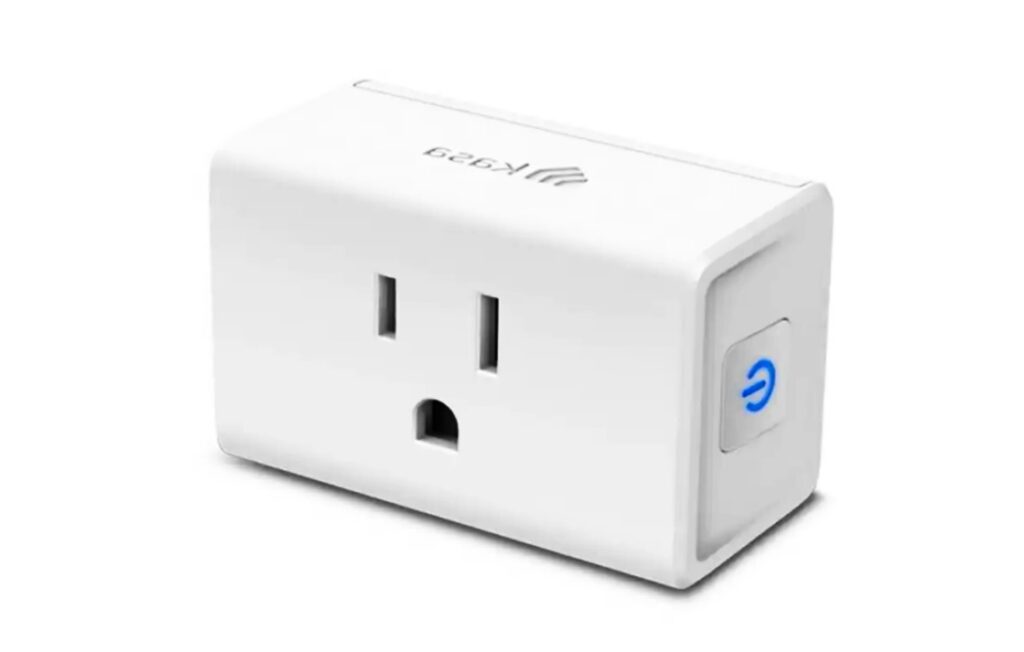
We often recommend smart home gadgets as a gateway for anyone looking to dip their toe into the connected home. They’re inexpensive, easy to install, and perform a simple function: turn power on or off remotely.
It has a single Wi-Fi outlet that connects to your network. It’s a well-made app that lets you program the plug to turn on or off on a schedule or use geofencing. It’s compatible with Google Home and Alexa and doesn’t block the second outlet in a pair on a typical two-outlet wall fixture.
Pros
- Affordable
- Works with multiple smart home gadgets platforms.
- Flexible scheduling and timing features
Cons
- Not HomeKit compatible
Nest Learning Thermostat Gen 4
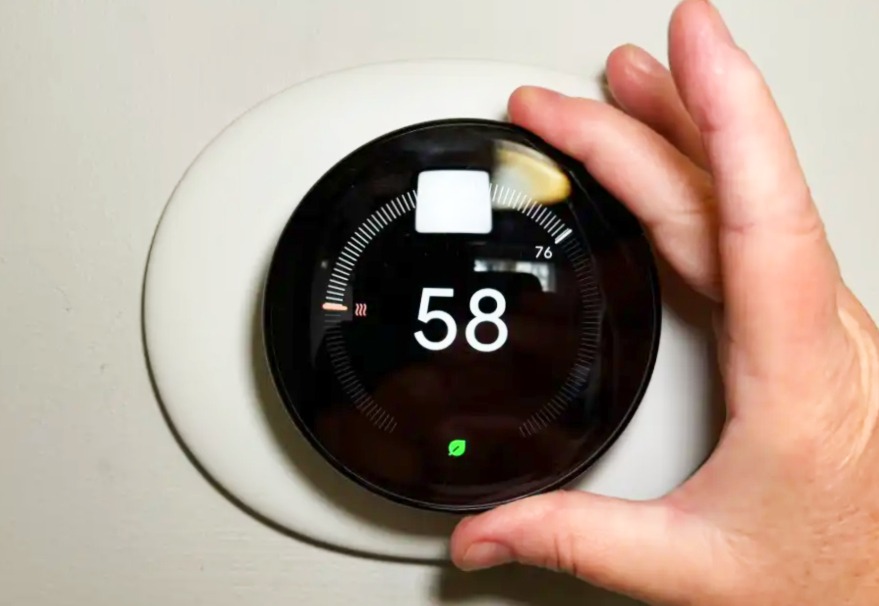
How can smart thermostats help us lower our energy bills and more effectively control the temperature in our smart home gadgets? But with so many choices, isn’t there only room for one thermostat in your smart home gadgets?
We love this Nest learning thermostat for its impressive array of animations and for how it simplifies your savings through scheduling, eco modes, and presence sensors that track when your house is abuzz with activity one day and silent the next.
You’ll also receive monthly reports that track your energy use and show you how to save. Even an expensive thermostat will pay for itself in a year or two with this sort of cost savings, and your house guests may get lost eyeing it up.
This model also includes a satellite sensor for temperature readings in hot or cold spots in the home, enabling better thermostat control.
Pros
- Beautiful design and animations
- Learning features to automatically adjust temperatures
- Eco mode for smart home gadgets
- Monthly reports
- In-depth app controls
- Satellite sensor
Cons
- High initial cost
Kelvin Radiant Heater
Conventional space heaters are energy hogs, difficult to operate, and fire hazards that require constant attention. It is a smart radiant heater with virtually no fire risk, mounted on the wall as a piece of art. The app (compatible with Alexa and Google Smart Home Gadgets) lets you control it from anywhere, set energy-saving schedules, and monitor your energy usage.
It takes a while for the radiant heat design to warm a room, so I program mine to turn on about an hour before people are present. The only caveat is that installation requires some planning, as it mounts permanently to the wall. Otherwise, it’s one of the most effective heaters I’ve encountered.
Pros
- Energy-saving, radiant heat design
- Wall-mounted to save space for smart home gadgets
- App controls for timers, automations, energy mangaement and more
- Low fire risks compared to other space heaters
- Google and Alexa compatibility
Cons
- Expensive for a space heater
- Must be installed carefully
Arlo Pro 6
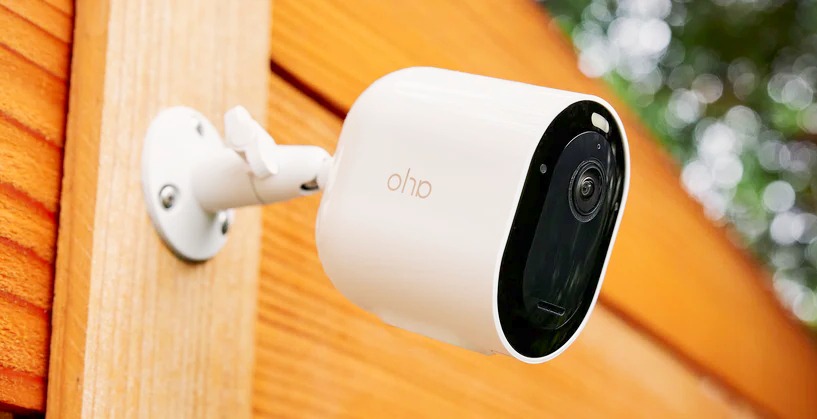
The Arlo Pro 6 was the latest addition to the Arlo outdoor wireless camera line. Smart home gadgets are at a new peak; 2K resolution is crystal clear, and the 160-degree field of view should be more than enough to capture an entire yard or driveway. Arlo also offers strong smart home gadgets and an optional extended battery pack.
There’s one catch: Arlo’s cam requires a subscription to unlock video storage and its AI-based features, such as flame detection and event captions that summarize what the device saw when motion was detected. That will be at least $8 per month to enable, so this is primarily a camera for people who are comfortable with a subscription. If that doesn’t suit you, we also have a guide to the best security cameras with no subscription fees.
Pros
- Wide, 160-degree field
- Built-in spotlight with smart home gadgets
- Excellent night vision and zoom
- Great smart home support
- AI detection features
- Very good app UI
Cons
- Subscription needed for all features
- Settings can be overwhelming for new users
Ring Alarm Kit
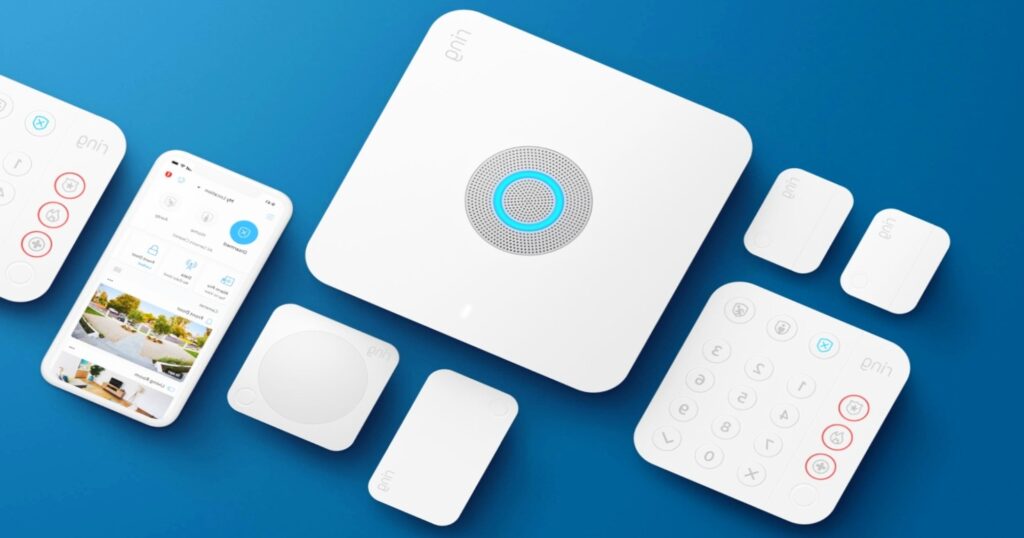
Ring’s new home security system nails the three things your front door camera should have and eliminates what you don’t need: 9 It’s $300 for an eight-piece kit, which is surprisingly affordable, with competitive pricing per device.
Value, it has lots of it. That’s not just a range extender you get; it also includes smart home gadgets, a Z-Wave radio for adding smart devices of various types, cellular backup, local processing/storage, backup internet, and considerably more than you generally receive with an average $100 DIY security setup.
Monthly subscription rates start at $5 and climb to $20 per month, among the lower rates for DIY home security. It also offers added smarts compared with most other DIY home security subscriptions. If you’re looking to establish a strong foundation to build on for a smart, secure home of the future, the Ring Alarm Kit is hard to beat.
Pros
- Reasonable pricing for smart home gadgets.
- Helpful extras
- Includes a range extender
Cons
- Limited smart home integrations
- The range extender may be unnecessary
Arlo Video Doorbell 2nd-gen
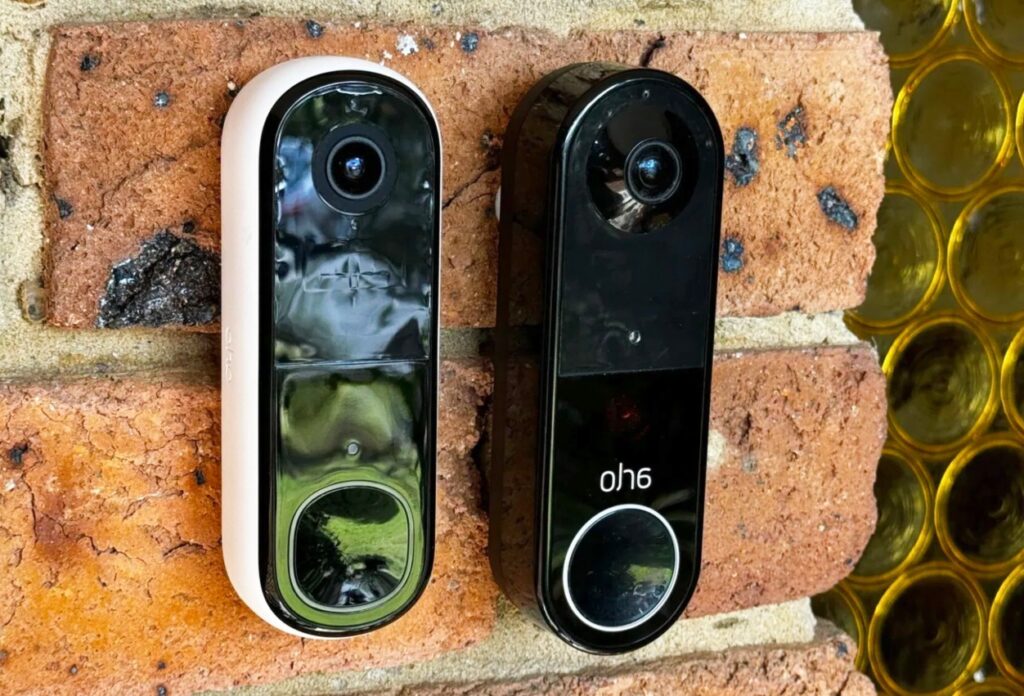
It’s not overpriced; many of Arlo’s cameras are expensive, but the 2K Video Doorbell is much more reasonably priced. Not due to poor build quality or functionality.
The Arlo 2K Video Doorbell is a smart home gadget that is reasonably priced, performs well, and the cost of the Arlo Smart cloud service isn’t going to break the bank at $3 per month. With Arlo’s subscription, you get advanced motion alerts, 30 days of cloud storage, and more.
The smart home gadgets also offer a 180-degree viewing angle and a head-to-toe design, which makes it bulkier than many older doorbells. Built-in siren. It can act as a security camera, and if you have an Arlo home security system, you can optionally add the Arlo Smart Chime device to disarm your system by pressing it instead of entering your PIN.
Pros
- Easy installation of smart home gadgets.
- Wide viewing angle
- Good night vision
Cons
- Subscription required
- A bit bulky
How do we test Smart Home Gadgets?
- Smart home gadgets fall into a wide and diverse category, so there is no single testing method that works for every device
- Each product is tested based on its specific category (for example, testing a smart home gadget is very different from testing a mesh Wi-Fi router)
- All products included in the list go through hands-on, real-world testing
- Whenever possible, data is collected in a standardized and objective way
- For Wi-Fi routers, the same speed tests are performed at fixed distances within the same house for every router tested
- Testing for other smart home gadgets is more experience-based rather than purely technical
- Devices such as smart thermostats, smart speakers, smart plugs, and smart displays are installed and used exactly how a regular user would
- For example, when testing the second-generation Google Nest Hub, the reviewer used the sleep-tracking feature for two weeks, along with everyday home use
- Company policies, especially those related to user privacy, are also carefully evaluated
- Since many smart home gadgets are capable of monitoring activity inside and around the home, privacy is a major concern
- Privacy policies are analyzed and simplified, and when policies are unclear, direct questions are raised with companies such as Ring and Google
How to choose the Best Smart Home Gadgets?
- Choosing smart home gadgets is different from choosing headphones or a streaming service because these devices are designed to work together within a smart home ecosystem
- One of the first and most important factors to consider is compatibility
- It’s best to choose smart home gadgets that work with the same voice assistant
- Google Assistant and Amazon Alexa are widely used as central platforms for smart homes
- Your goals and needs should also guide your decision
- If you want to connect and automate most of your home, investing fully in a connected home setup makes sense
- If the issue is small, such as someone leaving a bedroom light on when leaving the house, a smart light bulb alone can be an effective solution
FAQ’s
What is the main purpose of smart home gadgets?
The primary purpose of smart home gadgets is to enhance everyday living through connected features.
- Smart home gadgets make your life more convenient and reduce labor, time, and costs. It provides added protection for the home, along with customized comfort and lifestyle convenience, tailored to user preferences.
- Smart home gadgets further advance sustainability goals by improving energy efficiency and reducing energy waste. What’s more, the smart home brings together relaxation and fun into one seamless experience and gives you remote control of your home from anywhere in the world.
- Smart automation can reduce costs by improving energy efficiency, while smart systems can promote better health and well-being. After all, smart homes are meant to evolve and grow, learning from your needs in the background.
What are common problems with smart home gadgets?
- Compatibility Challenges
- Internet Connectivity Problems
- Power Source Drain Issues
- Automation and Routine Failures
- Difficulty in Setting Up and Controlling
- Voice Assistants Problems
- Security and Privacy Concerns
How do I choose the right smart home gadgets?
Smart Home Gadgets that will change the way you live, work, and interact with technology. From smartwatches designed for your health to home automation devices that make your home more comfortable, the possibilities are endless. But with so many options out there, how do you find the right device for your needs? This guide will help you navigate the world of smart technology and reach a decision.
- Identify Your Needs
- Set a Budget
- Research Compatibility
- Consider Features and Details
- Reviews and Recommendations
- Consider Future-Proofing
What are the Features of Smart Home Gadgets?
- Smart home gadgets are designed to make home living more convenient through automation and remote control. These devices allow users to monitor and control home appliances and electronics using dedicated applications. For example, users can change lighting colors or check security camera systems from anywhere.
- Smart home gadgets also enhance safety and security. Advanced cameras combined with artificial intelligence can detect unusual or suspicious activity in home areas and alert users in real time, providing greater peace of mind.
- Energy efficiency is another key feature of smart home gadgets. They learn users’ habits and automatically adjust power consumption, such as cooling the home before residents return. This not only helps protect the environment but also reduces electricity costs.
- Additionally, smart devices offer assistive features that support older adults and people with disabilities living alone. These functions increase independence and improve safety, making daily routines easier and more manageable.
Conclusion
Choosing the right smart home gadgets requires planning and research. This will help you purchase something that becomes a positive part of your life, rather than just another expense.
Look here at Mini Pocket Electronics for great smart styles that combine fashion, function ,and cost. With a range of cutting-edge, easy-to-use devices that fit in your pocket, it is a brand to turn to, whether you’re looking for value for money or power per pound.
Take the time to evaluate your options and invest in a device that will become an integral part of your everyday use. The ideal smart home gadgets aren’t merely devices; they enable you to do more.
Home Security Systems
Is Your Home or Business at Risk (2026)? Choose the Best Smart Security System Now!

In today’s world, the safety of your home or business has never been more critical. With rising crime rates, security breaches, and the constant threat of unauthorized access, choosing the best smart security system for your property is no longer optional; it’s a necessity. Whether you’re a homeowner or a business owner, having a reliable security system is crucial to safeguarding your property and loved ones.
But how do you ensure that your best smart security system is up to the task? Are there warning signs that your current system might be failing? And most importantly, how do you choose the best smart security system to protect what matters most?
Let’s dive into the details and explore why the best smart security system is non-negotiable for both homes and businesses, how to evaluate your needs, and how to choose the right solution before it’s too late.
Why Security Is Non-Negotiable for Your Home or Business

Best smart security system breaches are becoming all too common in today’s society. With the increase in cybersecurity threats, physical security challenges, and growing access to sophisticated technology, criminals are constantly finding new ways to bypass traditional security measures.
For homes, the threat can range from petty theft to violent home invasions, while for businesses, the stakes are much higher—ranging from theft of sensitive data to full-scale break-ins that can lead to significant financial losses. No matter the type of property you are looking to protect, investing in the best smart security system provides peace of mind.
A well-designed best smart security system can do far more than deter criminals—it can alert you in real time, trigger emergency responses, and even prevent theft before it happens. By automating your best smart security system, you can monitor your property 24/7, making sure you’re always in control, even when you’re miles away.
Signs Your Current Security System May Be Failing You

Many property owners are under the false impression that their security systems are foolproof. However, the best smart security system failures happen more often than you might think. Here are some warning signs that your current system might not be up to the task:
- Delayed Notifications or Alerts: If your best smart security system is slow to notify you of breaches, or if you don’t receive any alerts at all, your system may be outdated.
- Malfunctioning Cameras: If the cameras are consistently blurry, lack night vision, or are unresponsive, they could be rendering your system useless.
- Outdated Technology: Older systems often lack integration with newer smart home devices, leaving critical security gaps.
- Weak Security Features: If your best smart security system doesn’t offer encryption, multi-factor authentication, or remote monitoring, it may be vulnerable to hacking attempts.
- Lack of Regular Maintenance: Systems that aren’t regularly updated or maintained can be prone to technical failures.
If any of these issues sound familiar, it’s time to consider upgrading to the best smart security system that fits your home or business needs.
The Dangers of Choosing the Wrong Smart Security System

The consequences of selecting the wrong best smart security system can be devastating. Choosing poorly can lead to security vulnerabilities, costly repairs, and even financial losses. Here’s why making the wrong choice can have long-lasting effects:
- High False Alarm Rates: Systems that trigger too many false alarms can desensitize you to legitimate threats. You may start ignoring important alerts, putting your property at risk.
- Increased Costs: Some systems are cheap upfront but come with expensive hidden fees. From higher monthly monitoring costs to expensive upgrades, the wrong system can cost you much more in the long run.
- Outdated Technology: Security systems that lack modern features, such as integration with smart devices or remote access, can make your property vulnerable to new-age criminals who are familiar with older technology.
- Poor Customer Support: In case of a breach or technical failure, inadequate support from your best smart security system provider can leave you stranded when you need help the most
How to Evaluate Your Security Needs: Home vs. Business

The needs of a residential property and a commercial property vary significantly when it comes to the best smart security system. Let’s look at the differences:
Home Security Needs
- Personalized Protection: For homes, the focus is on the safety of family members, pets, and personal belongings.
- Ease of Use: Homeowners need a system that is easy to manage and understand. Features like mobile apps for monitoring and control are highly beneficial.
- Affordable Solutions: Homeowners often look for cost-effective yet reliable systems to avoid breaking the bank.
Business Security Needs
- Employee Safety & Data Protection: For businesses, the best smart security system must safeguard both physical property and sensitive information, including client data.
- Advanced Features: Businesses require the best smart security system that offers high-end features like AI-powered surveillance, access control systems, and 24/7 monitoring.
- Scalability: The best smart security system must be adaptable as the business grows, offering additional cameras, sensors, and other integrations.
Choosing the right best smart security system means understanding whether you need a basic setup for residential use or a more complex system for commercial security.
Top Features to Look for in a Smart Security System

When selecting the best smart security system, certain features are essential to ensure the system meets your needs. Here’s what to look for:
- Remote Access: This allows you to monitor your property from anywhere in the world using a smartphone or computer.
- Smart Integration: Look for systems that integrate with smart home technology, including smart locks, lighting, and voice assistants like Alexa or Google Assistant.
- HD Video Surveillance: Ensure the best smart security system includes high-definition cameras with night vision and motion detection to capture clear footage, even in low-light conditions.
- Two-Way Audio: This feature allows you to communicate with people on your property through the security cameras, providing an additional layer of security.
- AI and Machine Learning: Advanced systems use AI to identify potential threats and minimize false alarms.
- Local and Cloud Storage: Choose the best smart security system that offers both local storage and cloud backup for footage, ensuring that data is safely stored and accessible.
How to Avoid Common Mistakes When Selecting a Security System

To avoid the pitfalls of a bad security choice, follow the best smart security system guidelines:
- Don’t Focus Only on Price: While price is important, it shouldn’t be the deciding factor. Opt for quality and reliability over cheap systems that offer limited features.
- Consider the Long-Term Costs: Ensure that the ongoing monitoring and maintenance fees align with your budget. Some of the best smart security system might offer low initial costs but come with expensive subscriptions.
- Assess Your Property’s Unique Needs: Don’t choose a one-size-fits-all solution. Ensure the best smart security system you choose is tailored to your specific needs—whether it’s monitoring multiple access points or integrating with existing systems.
- Look for Scalable Solutions: Your security needs will evolve over time. Choose the best smart security system that can easily scale up as your needs grow.
Best Security Systems for Home and Business

Based on expert reviews and user feedback, the following systems are considered the best smart security system solutions for both homes and businesses:
- Nest Secure: Best for smart homes looking for easy integration and reliable protection.
- SimpliSafe: A cost-effective option for both homes and businesses, offering advanced motion detection and HD cameras.
- ADT Security: Ideal for businesses looking for a comprehensive, professional-grade solution with 24/7 monitoring.
- Ring Alarm Security Kit: Great for homeowners who need a customizable, affordable, and highly best smart security system.
How Upgrading to a Smart Security System Saved a Business

Case Study: A small retail business in a high-crime area struggled with frequent break-ins and theft. After installing the best smart security system with AI surveillance, the business saw a significant reduction in thefts and was able to monitor the premises in real-time from any location. The best smart security system also helped to lower their insurance premiums, making the investment well worth it.
FAQs:
What are the most important features in a smart security system?
The most important features include remote access, HD cameras, motion detection, two-way audio, and the best smart security system integration with other devices.
How often should I update my security system?
You should update your system every 2-3 years or when you notice any performance issues, such as delayed alerts or outdated technology.
Can I integrate a new security system with my existing home automation setup?
Yes, most modern best smart security system are compatible with existing home automation devices, allowing for seamless integration with smart lights, locks, and alarms.
How can I tell if my security system is truly reliable?
A reliable best smart security system should provide real-time alerts, offer 24/7 support, have regular updates, and allow for remote monitoring and control.
Don’t Wait for a Breach – Act Now to Protect Your Property
In conclusion, securing your home or business with the best smart security system is no longer optional—it’s a must. Don’t wait until a breach occurs; take action now to protect your property, loved ones, and valuable assets. Whether you’re upgrading your current best smart security system or starting fresh, make the smart choice today and invest in peace of mind.

Introduction
Smart homes are designed to make life easier and more convenient, offering seamless control of everything from lights and locks to thermostats and security systems. However, Smart Home Issues aren’t immune to issues that can cause major disruptions. In Rockland County, the situation can become even more complicated due to local challenges such as weather-related power outages, weak Wi-Fi in certain areas of the home, and device conflicts.
If you’re facing Smart Home Issues with your smart home system, you’re not alone. Homeowners in Rockland County are often frustrated by devices that go offline, thermostats that don’t stick to schedules, and smart locks that drain batteries too quickly.
But don’t worry—Smart Home Issues 2026 guide will walk you through the most common issues Rockland County residents encounter, how to troubleshoot them, and the best solutions to restore functionality and reliability.
Let’s dive into the Smart Home Issues that can affect your smart home setup, along with real-world solutions and expert insights to help you get your system running smoothly again.
Why Smart Home Systems Fail in Rockland County Homes

1. Outages and Weather Disruptions
One of the biggest challenges for homeowners in Rockland County is the region’s frequent weather-related power outages. The county often experiences severe storms, flooding, and power surges that can disrupt the stability of your smart home automation. Power interruptions, like those caused by severe thunderstorms or flash flooding, can force smart devices to reset, causing connectivity issues. Smart Home Issues are not uncommon for devices to drop offline after an outage, leading to temporary or even permanent failures if not addressed promptly.
2. Network Dead Zones
Smart Home Issues many homeowners face is weak or inconsistent Wi-Fi coverage throughout their home. In Rockland County, older homes with thick walls or basements and garages often experience dead zones, where the Smart Wi-Fi signal is too weak to reach certain smart devices. Areas like the basement, attic, or garage often end up being the places where smart devices like cameras, doorbells, or thermostats fail to operate due to weak signals.
3. Overloaded Home Networks
Smart Home Issues rely on a stable, fast internet connection to work effectively. However, many homes in Rockland County still rely on older routers that are not built to handle a high number of smart connected devices. With everything from smart lights to security cameras pulling data and sending alerts, home networks can easily become overloaded, causing slowdowns and device failures.
4. Improper Placement of Devices and Hubs
Smart Home Issues, but an often overlooked issue is poor device placement. Placing your hub, router, or cameras in corners of rooms or near large objects like furniture can block the signal. Device placement plays a huge role in ensuring that all your Smart Home Issues can communicate effectively with each other and remain functional. A simple repositioning can make a huge difference in improving performance.
Quick Answer: Common Smart Home Issues in Rockland County
Here are the most frequent smart home problems homeowners in Rockland County experience:
- Devices Going Offline
- Weak Wi-Fi Signals in Key Areas
- Smart Cameras Missing Motion Detection
- Smart Locks Draining Batteries
- Thermostats Not Following Schedules
- Automations Failing After App Updates
- Problems After Power Outages or Weather Disruptions
1. Devices Going Offline

What This Looks Like
One of the most common and frustrating issues in Smart Home devices randomly going offline. Your doorbell camera might disconnect, smart plugs may show as unavailable, and your thermostat might fail to respond to commands from the app. The Smart Home Issues become even more annoying when you know your Wi-Fi is working fine, but certain devices are just not cooperating.
Most Common Causes:
- Weak Wi-Fi Signal: If a device is far from the router or hub, it may not maintain a strong connection. This is especially common in larger homes or those with thick walls.
- Overloaded Router: With more devices connected to your network, the router might get overloaded and struggle to maintain stable connections.
- Outdated Firmware: Devices often require updates to their software to fix bugs and improve connectivity. If firmware isn’t updated, devices may struggle to reconnect.
- Power Surges or Outages: Power disruptions can cause devices to reset, and they may not automatically reconnect to the network afterward.
How to Fix It:
- Reboot the Modem, Router, and Hub: Rebooting your devices can fix minor glitches that cause connectivity issues. Start with the modem, then the router, and finally the smart home hub.
- Move the Router to a Central Location: Ensure your router is centrally located and not hidden in a corner or behind large objects that can block the signal.
- Update Firmware Regularly: Check the app for firmware updates for each device and the hub. This can often resolve underlying bugs and improve performance.
- Reconnect Devices: After rebooting, reconnect devices that are closest to the hub first to ensure they have the strongest signal.
When to Call a Pro:
If multiple devices still keep going offline despite Smart Home Issues fixes, the issue might lie with your router or smart home hub, which might need professional assistance for optimization.
2. Weak Wi-Fi Signals in Key Areas

What This Looks Like
Your smart devices, like cameras, thermostats, and smart lights, may not function properly if they’re located in areas with weak Wi-Fi signals. This is especially common in basements, garages, or outdoor spaces, where the Wi-Fi signal doesn’t reach effectively, causing devices to go offline or experience delays in response.
Most Common Causes:
- Distance from Router: Smart devices that are located far from the router will struggle to receive a strong Wi-Fi signal.
- Obstacles in the Signal Path: Walls, floors, or even furniture can obstruct Wi-Fi signals and reduce their strength in certain parts of the home.
- Interference from Other Electronics: Devices like microwaves, baby monitors, or cordless phones can interfere with Wi-Fi signals, especially on the 2.4GHz frequency.
How to Fix It:
- Test Wi-Fi Speed in Problem Areas: Use a device to check the speed in areas where you’re having problems. This will help you understand if the issue is related to weak signal strength.
- Install a Mesh Wi-Fi System: A mesh system uses multiple access points to provide consistent coverage across larger homes. This is especially helpful in large or multi-floor homes.
- Use Wi-Fi Extenders: If mesh systems are not an option, a Wi-Fi extender can amplify the signal in areas that are out of range.
- Reposition the Router: If possible, place your router in a more central location or raise it off the floor to improve signal distribution.
When to Call a Pro:
If your Wi-Fi signal continues to drop despite using extenders or mesh systems, a professional can assist with optimizing your Wi-Fi setup and assessing whether you need a more powerful router.
3. Smart Cameras Missing Motion Detection

What This Looks Like
Your smart camera might miss key events or fail to detect motion altogether. This can leave you unprotected, especially if the camera is placed outside or in a high-traffic area. On the flip side, some cameras may send too many false Smart Home Issues, such as motion triggered by tree branches, shadows, or headlights.
Most Common Causes:
- Incorrect Placement: If the camera is placed in a spot with too much traffic or poor visibility, it might miss key movements.
- Over-sensitivity: A camera set to a high sensitivity can be triggered by anything, even a passing car or small animal.
- Environmental Factors: High winds, rain, or reflective surfaces can trigger false alerts.
- Poor Connectivity: Cameras with a weak connection may fail to process motion detection properly.
How to Fix It:
- Reposition the Camera: Place the camera in an area with a clear line of sight, away from moving branches, reflective surfaces, or busy traffic areas.
- Adjust Sensitivity Settings: Lower the camera’s sensitivity to prevent unnecessary alerts from being triggered by minor movements.
- Create Activity Zones: Many cameras allow you to create specific zones for motion detection. This can prevent alerts from irrelevant areas like a busy street or a shadowy corner.
- Update Camera Firmware: Ensure your camera’s firmware is up to date to fix any bugs or glitches related to motion detection.
When to Call a Pro:
If adjusting settings and repositioning the camera don’t solve the problem, it may be due to a hardware malfunction, and a professional can help with recalibration or recommend a more suitable camera for your home’s needs.
4. Smart Locks Draining Batteries

What This Looks Like
Your smart lock may begin draining its batteries much faster than expected, requiring frequent replacements. Smart Home Issues can be frustrating and costly, especially if the lock is connected to a larger home automation system.
Most Common Causes:
- Low-Quality Batteries: Cheap or low-quality batteries can drain quickly, especially in locks that see frequent use.
- Extreme Temperatures: Exposure to extreme cold or heat can impact battery life.
- Frequent Use: Locks that are used multiple times a day will deplete batteries faster than those used infrequently.
- App Conflicts: Sometimes, smart lock apps may have bugs that interfere with battery usage.
How to Fix It:
- Replace with High-Quality Batteries: Use high-performance batteries like lithium, which are known to last longer in smart devices.
- Check for Interference from the App: Ensure that the lock’s companion app is up to date, as bugs can cause excessive battery drain.
- Minimize Lock Use (If Possible): If you can, reduce the frequency of lock usage, or switch to a keyless entry system if the lock is used heavily.
- Install Battery Backup Systems: Some smart locks come with battery backup systems that can help maintain the lock’s function during power interruptions.
When to Call a Pro:
If your lock continues to drain batteries quickly, even with high-quality replacements, the Smart Home Issues might lie with the lock’s mechanics or connectivity. A professional can assess whether a replacement or adjustment is needed.
5. Thermostats Not Following Schedules

What This Looks Like
Your smart thermostat may fail to follow the schedule you’ve set, leaving your home too cold in the winter or too warm in the summer. This can lead to wasted energy and discomfort, as well as frustration with the system.
Most Common Causes:
- Incorrect Home/Away Settings: If your thermostat isn’t properly detecting when you’re home or away, it won’t follow its schedule.
- Bad Sensor Placement: If the thermostat is in a location with drafts, direct sunlight, or near appliances that heat up, it may misread the temperature.
- Conflicting Manual Overrides: Sometimes manual adjustments to the thermostat can override the set schedule, leading to issues.
How to Fix It:
- Check Home/Away Settings: Ensure that the thermostat is correctly set to recognize when you’re home and when you’re away.
- Move the Sensor: Make sure the thermostat is located in a central spot away from drafts, heat sources, or direct sunlight.
- Disable Manual Overrides: Turn off any manual adjustments or overrides that might conflict with the preset schedule.
- Check for Software Updates: Update your thermostat’s firmware to fix any bugs or issues related to scheduling.
When to Call a Pro:
If your thermostat continues to malfunction despite fixing the sensor location and settings, the issue may be with its internal components or its compatibility with your HVAC system. A professional can inspect and make necessary adjustments.
6. Automations Failing After App Updates

What This Looks Like
After an app update, your smart home automations may fail to trigger correctly. Lights might not turn on when you enter the room, or your thermostat might not adjust the temperature as scheduled. Smart Home Issues can often be traced back to incompatibility between the app and the devices.
Most Common Causes:
- App Incompatibility: After an update, the app may not fully support all devices or automations.
- Corrupted Data: Sometimes, data can become corrupted during an update, causing automations to fail.
- Network Configuration Changes: App updates sometimes reset certain network settings, causing issues with automations that rely on those settings.
How to Fix It:
- Reconfigure Automations: After an app update, recheck your automation rules and reconfigure them if necessary.
- Clear Cache and Reinstall the App: Sometimes, clearing the app’s cache or reinstalling it can fix bugs caused by the update.
- Check for Further Updates: Ensure that all devices are compatible with the latest version of the app and that they’re all running the latest firmware.
When to Call a Pro:
If automations continue to fail after troubleshooting, Smart Home Issues might be a compatibility issue that requires professional intervention to ensure all devices are correctly synced with the app.
7. Problems After Power Outages or Weather Disruptions

What This Looks Like
Power outages, especially those caused by severe weather, can disrupt your smart home devices. Your router might be back online, but the Smart Home Issues connected to it (like cameras, locks, or thermostats) are still down.
Most Common Causes:
- Power Surges: A power surge during an outage can reset devices or cause them to malfunction.
- Device Reboots: After a power outage, devices like smart cameras or locks may need to be manually rebooted or reconnected.
- Hub or Router Failure: Sometimes, the hub or router might not reconnect automatically after a power surge.
How to Fix It:
- Restore Power to the Router First: Ensure the router is the first device you restore power to. Once it’s online, proceed with restarting other devices.
- Check for Backup Power Systems: Some devices come with backup power. Ensure that devices like the router and hub have battery backups to avoid disconnection during power interruptions.
- Reboot Devices Manually: If devices are still down after restoring power, try rebooting them manually to reconnect to the network.
When to Call a Pro:
If your devices don’t reconnect or function properly after a power outage, there may be internal hardware damage, or your setup may require reconfiguration. A professional can assess the situation.
FAQs:
Why do smart home devices keep disconnecting?
Smart home devices usually keep disconnecting because of weak Wi-Fi, router overload, outdated firmware, or poor device placement. In many homes, smart home issues start when too many devices are connected at once or when the signal does not reach certain rooms properly. A stable network, updated apps, and better router placement can solve most of these problems.
How can I boost Wi-Fi in my garage for better smart home performance?
You can boost Wi-Fi in your garage by moving your router to a better spot, adding a mesh Wi-Fi system, or using a Wi-Fi extender. smart home issues help reduce smart home issues like cameras going offline, delayed commands, and weak smart lock response. If your garage is far from the router, a mesh setup is usually the better long-term fix.
Why is my smart lock draining batteries so quickly?
A smart lock may drain batteries fast because of poor door alignment, weak Wi-Fi or Bluetooth connection, cheap batteries, or cold weather. Some smart home issues also happen when the lock keeps trying to reconnect to the network again and again. Using high-quality batteries and checking the lock setup can improve battery life.
How do I prevent false alerts from my security camera?
You can prevent false smart home issues by adjusting motion sensitivity, setting activity zones, and placing the camera away from moving trees, headlights, or busy streets. Many smart home issues with cameras happen because the settings are too sensitive for the area being monitored. A few simple changes in the app can make alerts much more accurate.
When should I hire a professional for smart home issues?
You should hire a professional when your smart home issues keep coming back, even after basic troubleshooting. Smart home issues include repeated device disconnections, smart locks not working properly, thermostat setup problems, camera wiring issues, or network problems across the whole house. If the issue affects security, safety, or daily comfort, stop guessing and get expert help.
Conclusion
Smart home issues in Rockland County offer great convenience, but local challenges like power outages, weak Wi-Fi, and device conflicts can create issues. Thankfully, most problems can be solved with simple steps like rebooting your router, updating firmware, and optimizing device placement.
For more complex smart home issues, such as persistent disconnects or problems after power outages, it’s best to call a professional. They can help assess your setup and make necessary adjustments to ensure everything works properly.
As we move into 2026, technologies like Matter will improve device compatibility and reliability. By staying proactive and addressing these issues early, your smart home issues can continue to provide convenience and security with minimal disruptions.

As a single mom, the challenges of maintaining a household go far beyond keeping the laundry pile from growing or making sure your kids get their homework done. There’s an overwhelming responsibility that comes with ensuring your home is safe and secure, especially when you’re the only one around to manage it.
Having a reliable home security system isn’t just about having a set of cameras or a few alarm sensors. It’s about peace of mind, knowing that you can protect yourself and your children from potential threats without having to constantly worry. It’s about keeping your loved ones safe while you juggle the demands of work, parenting, and life in general.
In this article, we’ll explore why reliable home security is not just a luxury but a necessity for single moms. We’ll dive into practical tips and tools that make it easier to safeguard your home, offer guidance on how to choose the best security system, and share insights into how a reliable home security system can actually save you money and reduce stress.
Why Reliable Home Security Matters More for Single Moms

Single moms face unique challenges that many others might not understand. When you’re handling everything yourself, the pressure to be both protector and provider can feel immense. The added responsibility of ensuring that your home is secure can seem like another heavy burden, but it’s one that is essential for the safety of both you and your children.
You Are Managing Safety, Routines, and Emergencies Alone
Whether you’re managing the morning routine or dealing with a late-night emergency, as a single mom, you’re doing it all. This includes making sure that your home is secure when you’re away for work or errands, and ensuring the safety of your children when you’re not there.
A reliable home security system can be your extra set of eyes and ears, giving you the reassurance that your home is safe even when you’re not physically there to monitor it.
Burglars Look for Easy Targets, Not Just High-Crime Neighborhoods
One of the biggest misconceptions about home security is that burglaries only happen in high-crime areas. In reality, burglars are looking for the easiest possible target — a home that’s unprotected or vulnerable. For single moms, that could mean a home without visible security features, or one that isn’t well-lit at night.
Having a reliable home security system deters criminals from even considering your home. From alarm systems that go off when doors or windows are tampered with, to smart cameras that let you see who’s outside, these security features send a clear message that your home is off-limits.
What Reliable Home Security Actually Means

When it comes to home security, reliability is key. But what does “reliable” really mean in the context of a security system? It means having a system that functions around the clock, providing consistent protection without failures or hiccups. It means having remote access to monitor your home in real-time, even when you’re miles away at work or school.
- 24/7 Professional Monitoring
A reliable home security system typically includes professional monitoring services. This means that if an alarm goes off, trained security personnel will respond immediately. They can contact emergency responders or even verify if the alarm was a false one.
For single moms, knowing that there’s someone always watching over their home can be incredibly reassuring. It’s peace of mind when you’re busy with daily tasks or when you need to be away for work or appointments.
- Mobile Alerts and Remote Access
One of the greatest advancements in reliable home security is the ability to monitor your home from anywhere, anytime. With mobile alerts and remote access, you can check on your home’s security from your smartphone. Whether you’re checking on the kids when they’re home alone or making sure everything is in place when you’re traveling, having remote access is a game-changer.
- Doorbell Cameras and Outdoor Cameras
With modern reliable home security systems, you can keep an eye on who’s at your door before answering. Doorbell cameras let you see and interact with visitors remotely. Whether it’s a delivery driver or a neighbor, you can have peace of mind knowing exactly who is approaching your home.
Outdoor cameras are equally important, especially for those vulnerable areas around your property. These cameras can detect movement and alert you to potential threats, such as prowlers or suspicious activity.
- Smart Locks and Entry Sensors
Gone are the days of fumbling for keys. Smart locks allow you to control access to your home remotely, and you can grant access to trusted individuals even when you’re not there. This is especially useful for allowing the kids back into the house after school or letting a family member in without worrying about physical keys.
Entry sensors, on the other hand, alert you if someone tries to break into your home. If a window or door is opened unexpectedly, you’ll be notified immediately.
Best Home Security Features for Single Moms with Kids

When you have children at home, securing your home becomes even more critical. Here are some key features you should look for in a reliable home security system to ensure that your family is protected.
Door and Window Sensors for Entry Points
Windows and doors are the most common entry points for burglars. With reliable home security systems, you can install sensors that alert you if someone tries to open them. This feature is particularly useful when you’re away from home or during the night when everyone is sleeping.
Indoor Cameras for After-School Check-Ins
For single moms, one of the biggest concerns is leaving kids at home alone after school. Indoor cameras allow you to check in on them in real-time and make sure everything is safe. If anything seems off, you can act immediately, whether it’s to check on them or make a quick call to ensure they’re okay.
Motion Sensors and Motion-Activated Lights
Motion sensors and lights are perfect for those moments when you’re not around to notice an intruder. These sensors detect movement and trigger lights, which can deter criminals and alert you to any potential threats around your property. They also act as an additional layer of security, particularly in poorly lit areas.
Panic Buttons and Fast Emergency Response
In the worst-case scenario, having panic buttons in key locations in your home can provide an immediate alert to emergency responders. Whether you’re dealing with an intruder, a medical emergency, or other critical situations, these buttons ensure that help is on the way as quickly as possible.
Smart Automation for Lights, Locks, and Alerts
Smart automation allows you to program your lights, locks, and alarms to function on their own. You can set your lights to turn on at specific times, ensuring your home looks occupied even when you’re out. Likewise, you can program your locks to automatically secure doors when you leave or return.
Practical Home Security Tips Beyond the Alarm System

While a reliable home security system is essential, there are other practical steps you can take to enhance your home’s safety.
- Change Locks and Reinforce Doors
The first step to making your home more secure is ensuring that your doors and locks are strong and reliable. Consider changing the locks if you’ve recently moved in or if you’ve misplaced your keys. Reinforcing doors and adding deadbolts can also make it harder for intruders to break in.
- Secure Windows, Curtains, and Blind Spots
Windows should always be locked, and curtains or blinds can help conceal the interior of your home. Criminals often target homes that appear empty, so ensuring that your home looks occupied even when you’re away can deter them.
- Keep Routines and Social Media Private
As a single mom, you’re already juggling a lot. But sharing too much on social media about your daily routine can make you an easy target for criminals. Always think twice before posting about your whereabouts, especially if it includes details about when you’re away from home.
- Use a Trusted Neighbor or Backup Contact
A neighbor or trusted friend can act as a backup in case of emergencies. Whether it’s checking on the kids or keeping an eye on your home when you’re away, having a reliable person nearby can provide an extra layer of security.
- Teach Kids What to Do if Someone Knocks or Enters
It’s important to teach your kids the basics of home security, especially when you’re not around. Make sure they know how to respond if someone knocks on the door or if they suspect something unusual.
How Monitored Home Security Helps When You Are Away from Home

Life as a single mom often involves a packed schedule. Between work, errands, and everything else, you might find yourself away from home more than you’d like. That’s where reliable home security comes into play.
Work Hours
- Whether you’re at work all day or just running errands, having a reliable home security system ensures that your home remains safe even when you’re not there to supervise it.
School Pickup Gaps
- There’s always a window of time after school when your kids might be home alone. A reliable home security system helps monitor the house during these vulnerable hours, giving you peace of mind.
Trips and Overnight Stays
- If you’re traveling or staying overnight elsewhere, having remote access to your security system ensures that you can still monitor your home. You can check in from your phone, making sure everything is secure, whether you’re in the next city or the next country.
Watching Pets and Deliveries
- Many single moms also juggle pets or have packages delivered while they’re away. A reliable home security system with cameras and monitoring ensures that you can keep an eye on your furry friends and make sure packages are safe.
Can Reliable Home Security Save Money Too?

You might be wondering if investing in reliable home security is worth it. The answer is yes — not just for the protection it provides but also for the savings it can bring.
Insurance Discounts
Many insurance companies offer discounts for homes equipped with a reliable home security system. This can lower your premiums and make your investment more affordable.
Preventing Burglary Losses
A reliable home security system can help prevent losses in the event of a break-in. With monitored systems, you can stop burglars before they steal anything. If a break-in does occur, having the system in place can help recover stolen property or reduce the damage done.
Avoiding Bigger Damage from Fire or Leaks
Security systems with smoke detectors, CO detectors, and water leak detectors help prevent greater damage from emergencies like fires or floods. The faster you are notified, the quicker you can act to minimize damage.
How to Choose the Right Home Security System for a Single-Mom Household

When choosing a reliable home security system, it’s important to think about the features that matter most for you and your family’s needs.
Must-Have Features
Look for features like professional monitoring, door/window sensors, video cameras, smart locks, and remote access. These features ensure that your home is protected 24/7, even when you’re not there.
Nice-to-Have Features
Things like motion-activated lights, smart thermostats, and environmental sensors (water, smoke, CO) are great additions, but aren’t as essential as the core features.
Budget-Friendly Setup Options
If you’re on a budget, look for DIY home security systems that you can install yourself. These often offer remote access, mobile alerts, and integration with other smart devices.
Professional Monitoring vs DIY
Professional monitoring offers the highest level of protection, but if you’re on a tight budget, DIY systems with mobile alerts and remote monitoring can still provide great peace of mind.
Final Thoughts: Safety Is Not Overreacting, It Is Preparation
As a single mom, your number one priority is your family’s safety. Investing in a reliable home security system is not just about protecting your home; it’s about peace of mind — knowing that you’re doing everything you can to keep your loved ones safe.
Don’t wait for an incident to occur. Be proactive and ensure your home is protected today.
H2: FAQs
What is the best home security system for single moms?
The best system combines professional monitoring, door/window sensors, cameras, and smart locks.
Are doorbell cameras worth it for single parents?
Yes, they provide an extra layer of protection by allowing you to see who’s at the door before you open it.
Can home security systems help when kids come home from school?
Absolutely, with features like indoor cameras, motion sensors, and alerts, you can monitor your kids when they’re home alone.
Do security systems lower insurance costs?
Yes, many insurers offer discounts for homes equipped with a monitored security system.
What are the most important security upgrades for moms on a budget?
Consider starting with door/window sensors, cameras, and a smart lock — all of which can be part of an affordable DIY system.
Conclusion
For single moms, ensuring the safety of your home is essential, not optional. A reliable home security system is more than just a tool; it’s a critical investment in your family’s well-being. With 24/7 monitoring, smart technology, and instant alerts, you can feel confident knowing your home is protected, even when you’re not there.
These systems not only protect against break-ins but also offer peace of mind for other emergencies, like fire, carbon monoxide leaks, or water damage. By installing a reliable home security system, you’re making a proactive choice to safeguard your family’s future, ensuring they’re always safe, whether you’re at home or away.
Don’t wait for something to happen before taking action. With the right security measures, you can confidently manage your home and your children’s safety. Make the choice today to invest in a reliable home security system and prioritize your peace of mind — it’s a decision that will benefit you and your family in the long run.

 Home Technology Solutions6 months ago
Best Smart AI Refrigerator 2026: Amazing Features, Pros & Cons (Buy Guide)
- Home Appliance Automation6 months ago
Best Smart Home Cameras 2026: Top WiFi & Security Solutions
- Home Technology Solutions6 months ago
Best AI Washing Machine Technology 2026:Smart Wash, Energy Saving & App Control
- Home Appliance Automation6 months ago
Best Smart Home Hubs in 2026: Features, Benefits & Buying Guide
- Home Appliance Automation7 months ago
Smart Home Automation Ideas 2026: Best Systems for Modern Living
- Home Appliance Automation6 months ago
Best Smart Home Installation (2026): Complete Buyer Guide
- Home Technology Solutions7 months ago
Home Assistant AI Guide 2026: Ultimate Smart Home Automation & AI Voice Control
- Home Security Systems6 months ago
Best Smart Fire Alarms 2026: Top WiFi Smoke Detectors Reviewed